

Femvoro Solutions
Improve What The Buyer Will Notice
Start with a reference product and one clear business objective. Femvoro helps you review materials, measurable performance, packaging and cost, then define the priority changes and a sample comparison plan.
Define Your Upgrade Goal
Start with one clearly identified reference product and one business objective. Establish what needs to improve, what should remain and which practical requirements will guide the work before moving into materials, specifications or packaging changes.
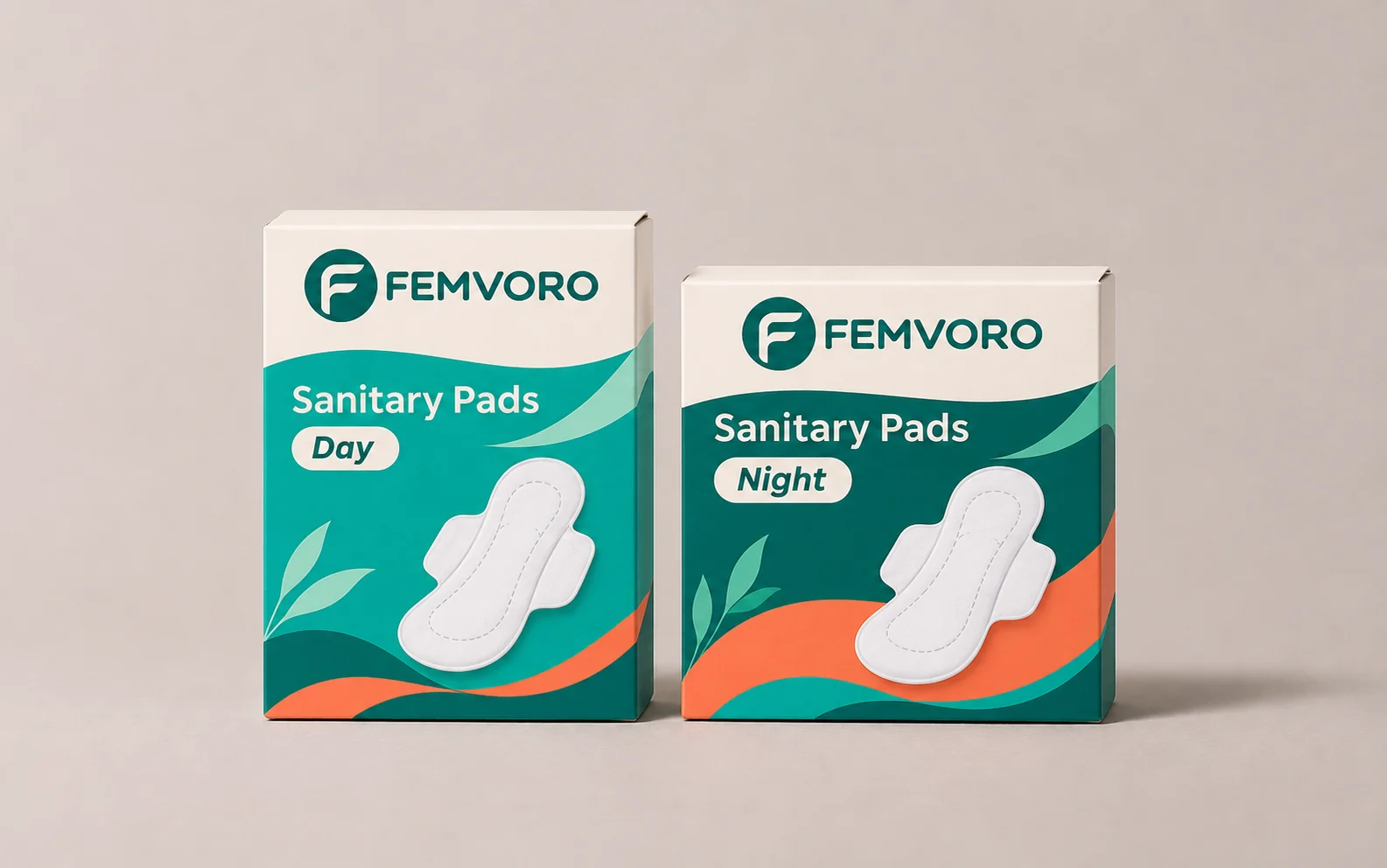
Starting Point
What To Clarify
What To Share
Your Reference Product
What To Clarify
Choose the existing product or named benchmark that will anchor the comparison. Identify the features you want to retain and the aspects that need closer review, giving sample evaluation a consistent starting point.
What To Share
An existing sample, product specifications, packaging images or a clearly identified benchmark, together with any relevant customer feedback.
Your Business Objective
What To Clarify
Define the main outcome you want the upgrade to support. This might concern the customer experience, a new channel requirement, packaging presentation or cost positioning. Agree on the priority so proposed changes can be assessed against it.
What To Share
The problem you want to address, the customers or channels affected and what would make the proposed change worthwhile for your business.
Your Priorities And Constraints
What To Clarify
Record what must stay consistent and where adjustments are possible. Consider the cost range, order quantities, packaging requirements and timing that will influence which development options are practical.
What To Share
Essential product features, commercial requirements, packaging limitations and the intended launch or product-update window.
Where Should Your Product Improve?
Review material language, measurable performance, packaging and cost as separate questions. Use your reference product and business objective to identify which changes deserve further evaluation and which features should remain.
Materials And Messaging
Clarify the material composition, its location in the product and the wording used to describe it. Identify whether the priority is a material change, clearer communication or supporting information for the proposed message.
Measurable Performance
Define the product behaviour you want to evaluate and the comparison that would be meaningful. Agree on the test method, conditions and reference sample before using results to assess a proposed improvement.
Packaging And Pack Configuration
Review the visual identity, information hierarchy, packaging format and pack count. Consider how buyers recognize the brand, distinguish the SKUs and compare the offer through your intended sales channels.
Cost And Trade-Offs
Assess proposed changes against the target cost, order quantities and development work involved. Identify where investment supports the business objective and where preserving the existing specification may be the more practical choice.
Compare Samples On A Consistent Basis
For each priority improvement, agree on the reference sample and how the comparison will be made. A defined evaluation approach helps connect the findings with your business objective and the decisions needed for the next development stage.
01
Set The Comparison Basis
Identify the reference sample and the specific aspects to review. Where testing is needed, agree on the method and conditions so the samples can be assessed on a consistent basis.
02
Record The Findings
Document observations and measured results with their evaluation conditions and supporting information. Record any questions that need further review before drawing conclusions or changing the product specification.
03
Review The Trade-Offs
Assess the findings against the agreed objective, cost assumptions and packaging requirements. Decide which changes should progress, which need another sample and which existing features should be retained.
What Your Upgrade Plan Covers.
Bring the comparison findings and development priorities into a working plan. These four outputs help organize the proposed changes, evaluation approach and packaging review, with the specific deliverables defined in the project scope.
Benchmark Gap Map
Summarize the differences between the current product and the agreed benchmark, including the observations, available evidence and questions that need further evaluation.
Priority Improvement Hypothesis
Identify the changes worth evaluating first and explain how each could support the business objective. Record the assumptions that sample review needs to examine.
Sample Comparison Protocol
Set out the reference samples, comparison criteria, methods and conditions, giving the evaluation a consistent basis and making the findings easier to review.
Claim And Artwork Review List
List the proposed product messages and packaging changes, together with the supporting information and outstanding approvals needed before the artwork is finalized.
Questions About Launching Your Brand
Find answers about planning your first range, working with existing brand materials and confirming the product details before moving forward.
Yes. A project can focus on the visual identity, information layout, packaging format or pack count while retaining the existing product specification. We’ll review how the proposed packaging changes fit your brand positioning, sales channels and production requirements.
Share your existing product or a clearly identified benchmark, together with available specifications and packaging artwork. Explain the business objective and the issue you want to address. Customer feedback or previous evaluation results can also help establish the starting point.
Yes. Start with one business objective and prioritize the change most relevant to it. We’ll consider how that adjustment could affect other product or packaging requirements, then define a focused scope for development and sample review.
The evaluation starts with an agreed reference sample, comparison criteria and method. Observations and measured results are recorded with their conditions and supporting information. The findings are then reviewed against your objective and commercial requirements before deciding which changes should progress.
The impact depends on the materials, product construction, packaging and development work involved. New artwork, packaging formats or material requirements may introduce additional costs, minimum quantities or lead times. These need to be reviewed with the relevant partners once the proposed changes are defined.